


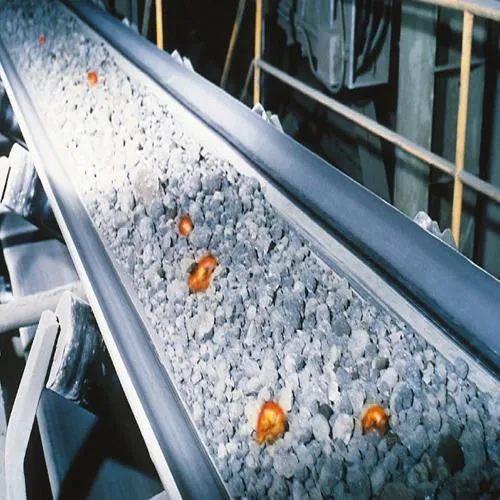
High-temperature conveyor belting is designed to withstand elevated temperatures in industrial applications where standard conveyor belts might not be suitable. These specialized belts are used in industries such as manufacturing, metal processing, foundries, and others where materials or products at high temperatures need to be conveyed. Here are some key features and considerations related to high-temperature conveyor belting:
High-temperature conveyor belts are specifically engineered to withstand elevated temperatures, often ranging from 300 degree F (150 degree ) to over 2000 degree F (1100 degree ), depending on the specific type of belt and application.
These belts are typically constructed using materials that can handle high temperatures without degrading. Common materials include heat-resistant rubbers, silicone, and other specialized compounds. Some belts may also incorporate heat-resistant fabric layers for added strength.
High-temperature conveyor belts are used in applications where materials or products are hot during conveying. This can include conveying hot metal parts, glass, ceramics, and other materials in industries like steel manufacturing, glass production, and foundries.
Types of High-Temperature Belts:
There are various types of high-temperature conveyor belts designed for specific applications. Examples include:
High-temperature conveyor belts are engineered to resist wear and abrasion even when exposed to elevated temperatures. This is important for maintaining the belt's longevity in demanding industrial environments.
The load-bearing capacity of high-temperature conveyor belts is an important consideration, especially in heavy-duty industrial applications where heavy or bulk materials are being transported.
Safety is a critical factor when dealing with high temperatures. Conveyor systems using high-temperature belting should be designed with appropriate safety measures to protect workers and equipment.
Regular inspection and maintenance are essential to ensure that the high-temperature conveyor belt remains in optimal condition. This includes checking for wear, damage, and proper tensioning.
Depending on the industry, there may be regulatory standards and compliance requirements for conveyor belts used in high-temperature applications. It's important to adhere to these standards to ensure safety and compliance.
When selecting a high-temperature conveyor belt, it's crucial to consider the specific temperature requirements of the application, the type of materials being conveyed, and any other environmental factors that may affect the performance of the belt. Regular maintenance and adherence to safety guidelines are essential for the safe and effective operation of conveyor systems using high-temperature belting.

Certification: MT/T668-2019
Warranty: 1 years
MOQ: 100m
Features: Heat-Resistant

ป้ายกำกับยอดนิยม: , สายพานลำเลียงสายพานสำหรับวัสดุ, สายพานลำเลียงวัสดุที่รวบรวมได้, สายพานลำเลียงวัสดุทนน้ำมัน, สายพานลำเลียงวัสดุ, สายพานลำเลียงวัสดุที่ติดตามและกันฝุ่น, สายพานลำเลียงวัสดุที่มีน้ำหนัก